Search is changing faster than ever. People are no longer just typing into Google and scrolling through results. Many now open a chatbot or AI tool and ask their question directly. The AI replies instantly, pulling together answers from different websites and presenting them in one clear message.
That shift is powerful, but it also raises a big question for every business:
How can your content become part of those AI-generated answers?
This is where AI SEO and AI optimisation for Chatbots and LLMs come in. These approaches help large language models recognise your website as a trusted, helpful source. When someone asks a chatbot a question, your content has a chance to appear in the answer, not as an ad or a ranking, but as part of the knowledge the AI shares.
For businesses in Manchester, this change is already underway. The earlier you adapt, the easier it becomes to stay visible while competitors still rely only on traditional search rankings.
Why AI SEO and AI Optimisation matter
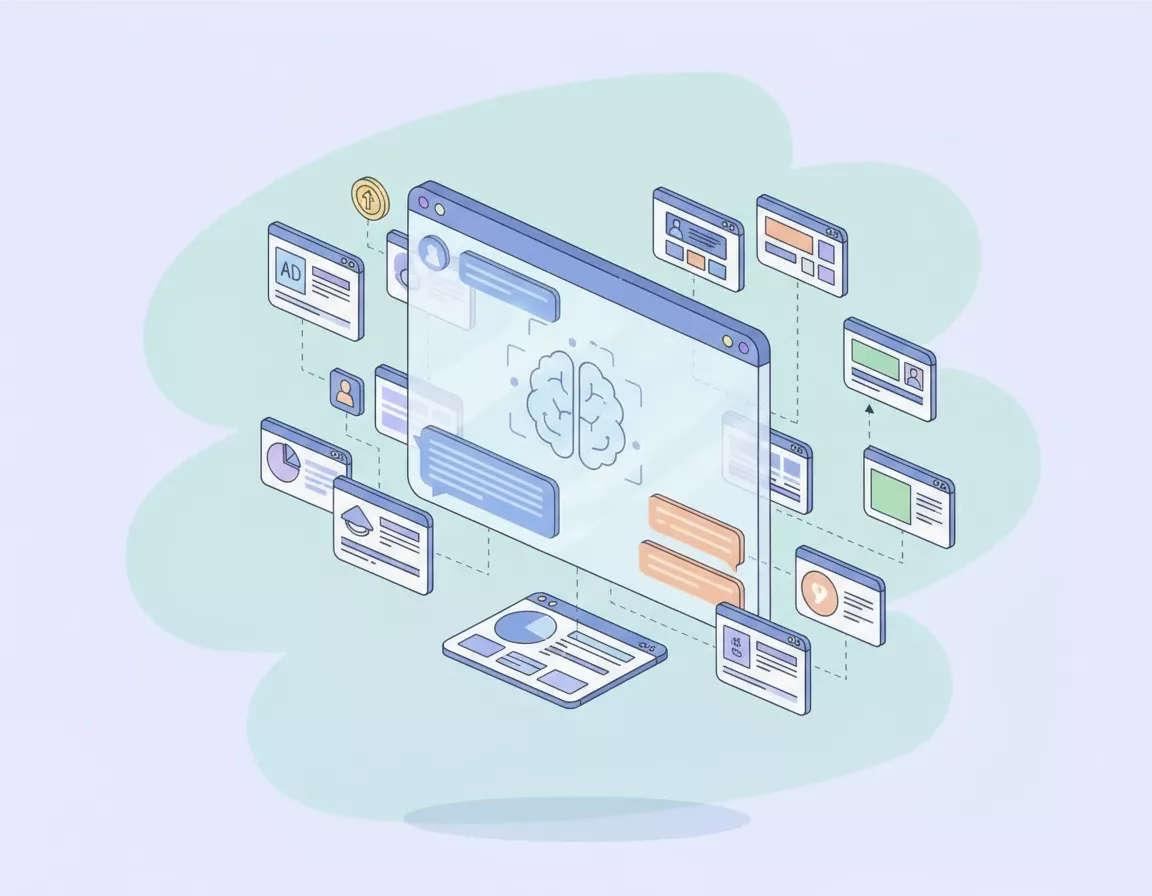
AI-driven search is not just a trend; it is the next stage of how people find information. Chatbots and language models like ChatGPT, Gemini and Claude do not show a list of pages. They read, summarise and combine information from multiple sources into a single conversational reply.
If your website’s content is clear, structured and written for real people, it becomes easier for these systems to recognise and use. The more useful and trustworthy your site appears, the more likely AI will reference it.
AI optimisation is not about gaming the system. It is about making sure your business communicates clearly with both humans and machines.
How AI reads your website
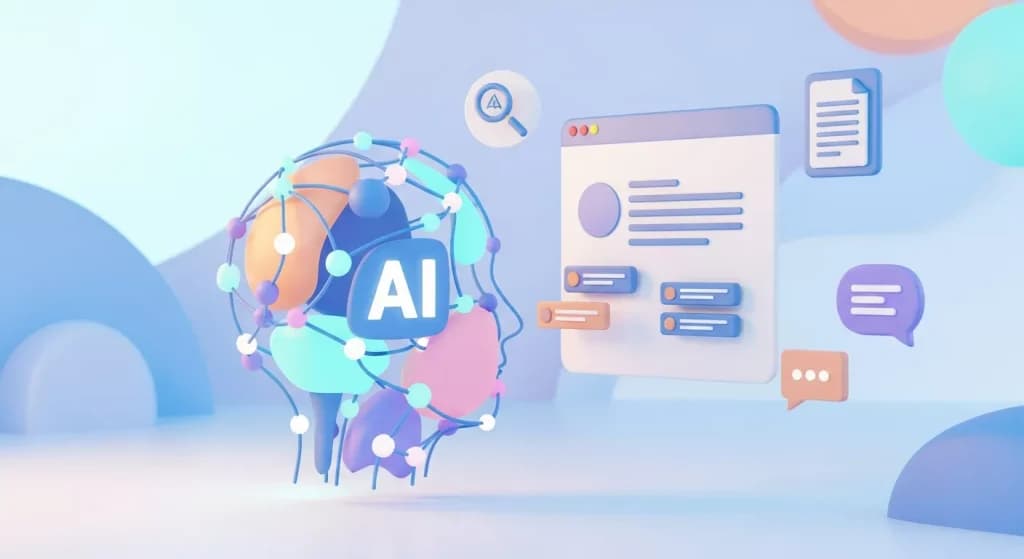
Traditional SEO focuses on keywords and backlinks. AI SEO, on the other hand, focuses on meaning and relationships between concepts.
AI models do not only look at your titles and headings. They analyse the intent behind your sentences, the clarity of your explanations and the context of your claims. They read your pages more like a human would, trying to understand who you are, what you know and whether you can be trusted.
To appear in chatbot and LLM responses, your site should:
- Explain topics clearly using natural, conversational language
- Include common questions and helpful answers in your content
- Show credibility through real expertise and consistent information
- Use structured data to help AI interpret your content accurately
- Reference relevant and up-to-date sources where appropriate
Think of it this way: you are writing not only for search engines, but also for AI systems that behave like curious readers trying to understand your business.
What Manchester businesses can do right now 💡
If you run a local business in Manchester, this new approach to AI SEO and AI optimisation can keep your brand visible as search evolves. Here are practical steps you can take now.
1. Write content that answers questions clearly
Chatbots prioritise helpful explanations. If customers often ask, “How much does solar installation cost in Manchester?” or “What is the best local café for remote work?”, create pages or blog posts that answer those questions directly.
Avoid overly technical jargon. Use short paragraphs, clear examples and direct language. The easier your content is to understand, the easier it is for AI systems to use.
2. Build your brand as an entity
AI models cross-check information about businesses from multiple sources, directories, review sites, and public profiles. Keep your business name, contact details and description consistent everywhere. Add schema markup such as “Local Business” or “Organisation” to help AI confirm who you are.
3. Use structured data wherever possible
Adding schema for FAQs, services, and locations helps AI interpret your content more precisely. A small amount of structured data can make a big difference in how systems like ChatGPT and Google’s AI Overviews summarise your website.
4. Improve your website’s technical performance
AI visibility starts with a solid technical foundation. A slow or unresponsive site hurts user experience and can reduce how often AI crawlers index your content.
If you have not checked your site speed recently, try our AI Performance Audit Tool. It analyses your site using AI to show what is slowing it down and how to fix it.
5. Link your content to real people
Add author profiles, team pages or verified credentials. AI models look for evidence of expertise and authenticity. Mentioning your local presence in Manchester or your professional background helps reinforce trust.
6. Keep your site updated
AI systems prefer fresh, relevant information. Regular updates signal that your website is active and trustworthy. If your content has not been refreshed in months, review it for outdated references, broken links and old phrasing.
The role of natural language
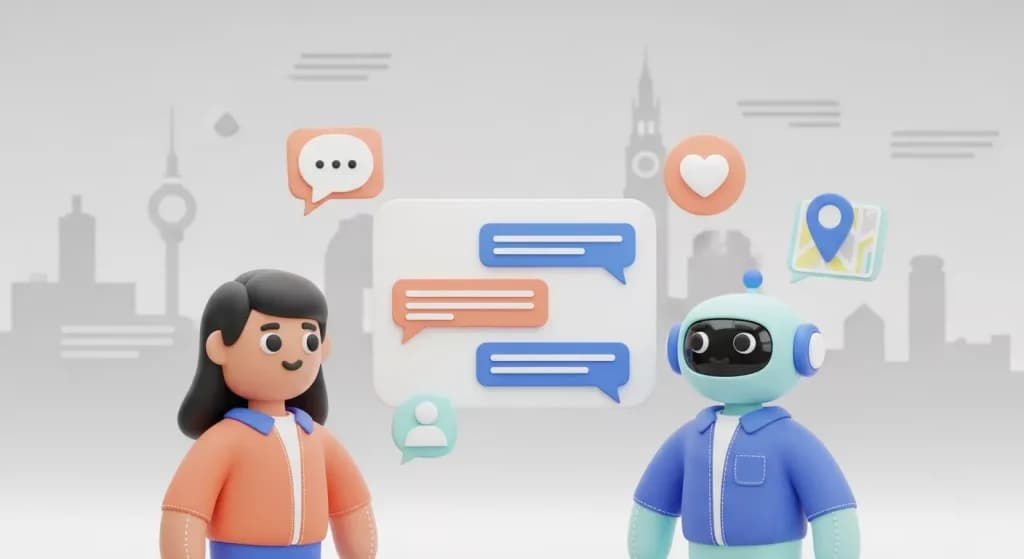
When writing for AI SEO, use natural language that sounds like you are explaining something to a friend. Large language models learn from everyday conversations. If your writing feels authentic and human, it becomes easier for AI to understand.
That is particularly important for local visibility. Mention neighbourhoods, examples or client stories that show you are part of the Manchester community.
For example:
“A bakery owner in Chorlton once asked how her website could show up when people ask AI tools for the best pastries nearby. It led us to rebuild her pages with simpler wording and local cues, and soon her business started appearing in more AI search results.”
These kinds of examples make your content relatable and help AI connect your brand to a specific region or audience.
Measuring success
You might not always see a chatbot link directly to your website, but over time you can still measure the impact. If your AI SEO and AI optimisation are working, you should see more visits from conversational style searches and new referral sources.
A simple way to track this is through Google Analytics. In reports such as Traffic acquisition you can see where visitors came from, including Source / Medium and Referral. Some AI tools and assistants add tracking parameters like ?utm_source=... to the links they open. Others appear as a specific referrer domain. Over time, you may notice new sources appearing there as people reach your site through AI platforms.
You can also monitor which pages get more engagement from question based content. Look for longer session times, more pages per visit and better interaction on guides, FAQs and educational articles. These are good signs that users are arriving from AI assisted searches and finding your answers genuinely helpful.
If you are comfortable with analytics, you can set this up yourself by checking your reports regularly and creating simple custom segments. If you prefer a helping hand, our team at Minutes Agency can help you set up tracking, interpret the data and turn it into a clear AI visibility strategy.
Bringing it all together
AI SEO and AI optimisation are not replacements for classic marketing. They build upon it. You still need a fast, mobile-friendly website, strong branding and clear calls to action. What changes is how you think about visibility, from chasing positions to becoming part of the conversation.
For Manchester businesses, this is a huge opportunity. Companies that start preparing now will be easier for AI tools to reference later. The sooner your content speaks the language of AI, the sooner you will appear in future search experiences.
If you want to explore how AI SEO and AI optimisation could work for your business, our team at Minutes Agency is ready to help. We work closely with Manchester companies to make their websites faster, smarter and easier for AI systems to understand. Get in touch and let’s make sure your brand is part of the next generation of search.