
Most small businesses we meet in Manchester aren’t short on ideas, they’re short on time and spare cash. The Google Ads vs SEO question usually lands when bookings dip or a new service needs traction fast. Spend in the wrong place and you can burn £1,000 before you’ve learnt anything useful. Spend in the right place and you can prove what people want, then build a system that keeps paying you back.
What each channel really does
People don’t browse like they used to, they search with intent and expect an answer quickly. In the Google Ads vs SEO conversation, this matters because both channels show up at the exact moment someone is looking for help. According to the ONS Internet access and use dataset, the vast majority of UK adults are online, which means your next customer is usually a search away, not a leaflet away. Ofcom’s Online Nation also shows search remains a key way people discover services, especially on mobile.
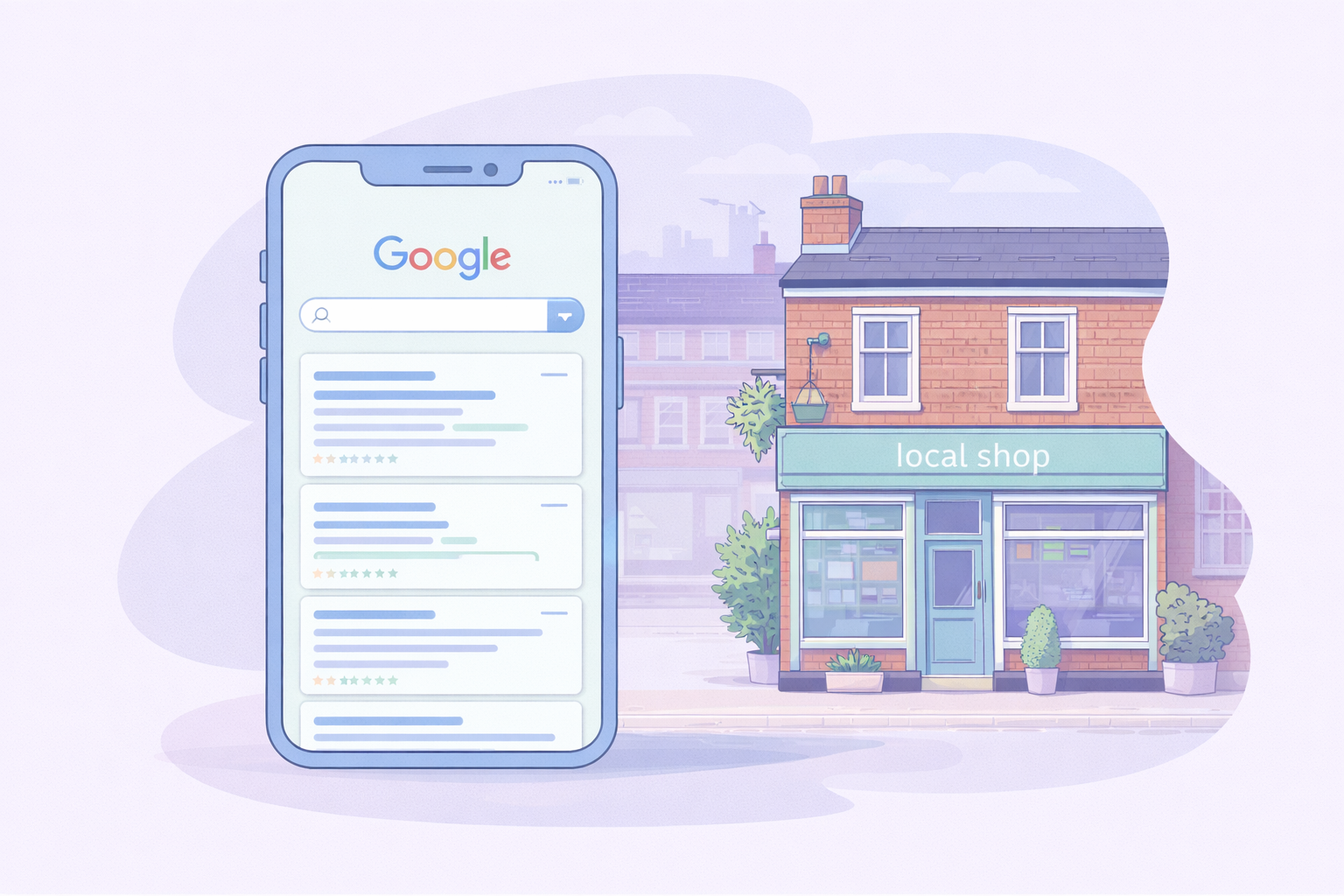
Google Ads is paid visibility. You bid in an auction, Google weighs your bid and relevance (Quality Score), then you show for high-intent searches like “emergency plumber Stockport” or “teeth whitening Didsbury”. You can turn it on tomorrow, but you pay per click (PPC) and costs rise in competitive pockets.
SEO is earned visibility. You build relevance (service pages, location pages, FAQs), trust signals (reviews, links, citations), and technical health so Google ranks you over time. Local intent sits in the middle, because Maps results lean heavily on your Google Business Profile, reviews, and proximity. If “near me” searches matter to you, it’s worth skimming our near me SEO walkthrough because it changes what you prioritise.
If you are new to paid search, our Google Ads management overview explains how we structure campaigns for local intent and measurable leads.
Why this decision matters now
Here’s the uncomfortable bit. Most owners treat marketing like a bill, not an investment with a payback period. That’s why the paid search versus organic search decision feels stressful, you’re trying to buy certainty. In practice, Google Ads vs SEO is really about how quickly you need results and how much risk you can tolerate.
In Greater Manchester, competition is uneven. A salon in Sale might face a handful of serious competitors, while a roofer in central Manchester might be up against dozens of advertisers with aggressive budgets. That affects your cost per click (CPC) and how quickly SEO can gain ground.
The bigger factor is customer urgency. Trades and emergency repairs skew “need it today”, so paid search can work quickly if the numbers stack up. Clinics and professional services skew “research first”, so trust signals and content usually carry more weight.
If you only take one idea from this post, take this. Your first spend should buy learning you can reuse, not just traffic that disappears when you pause the budget.
Root causes and common mistakes
In the Google Ads vs SEO discussion, we see the same two mistakes across Manchester SMEs, and both waste money.
First, people run Ads without a proper conversion goal. They track clicks, not calls, form fills, bookings, or sales. That’s how you end up thinking “Ads don’t work” when the real issue is you can’t see what’s working.
Second, people start SEO with blog posts instead of money pages. A generic article might bring traffic, but it rarely brings leads. Service pages, location pages, and a strong Google Business Profile usually move the needle faster for local SEO.
A slightly contrarian take from our side. If your website can’t convert yet, you don’t need more traffic, you need fewer visitors doing the right thing. That’s why we often fix conversion basics before scaling spend, and it’s also why our conversion guide for Manchester sites tends to pay for itself quickly.
Use Ads first when speed matters
If you’ve got empty appointment slots next week, waiting for SEO is like waiting for a new shopfront sign while your tills are quiet. This is where Google Ads vs SEO becomes a timing decision, not a philosophy.
Ads should come first when:
- You need demand quickly (launch, new team member, new location).
- You know your margins and can measure a conversion (calls, forms, bookings).
- You can target high-intent local searches and keep control tight.
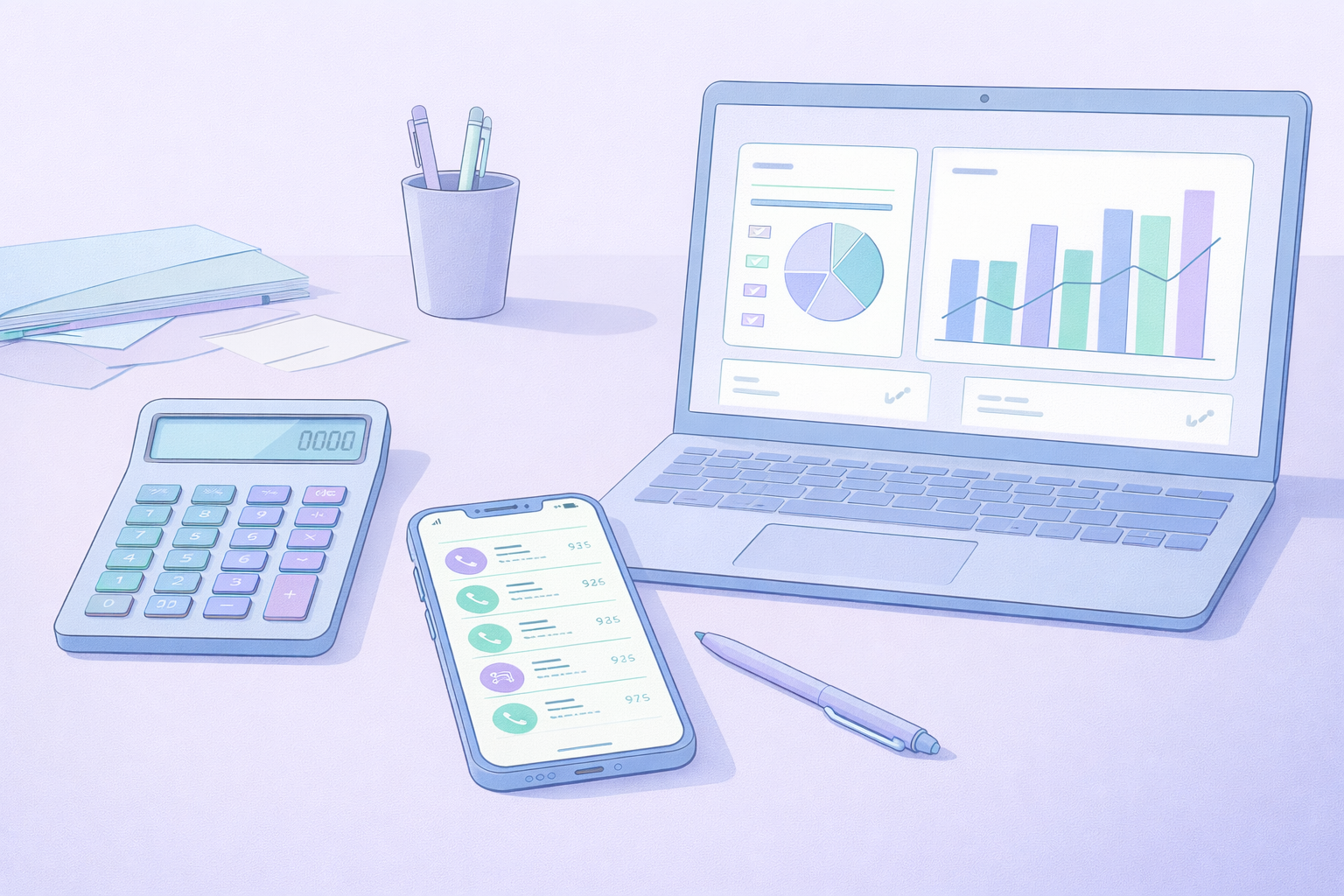
A simple break-even model helps you avoid “hope marketing”. Work out:
- Average gross profit per sale (not revenue)
- Lead-to-sale rate (for example, 25%)
- Max cost per lead you can afford
Example: a trades business makes £400 gross profit on an average job and closes 1 in 4 leads. Break-even cost per lead is £400 × 0.25 = £100. If your tracking shows you’re paying £140 per lead, you either tighten targeting, improve landing pages, or pause.
For salons, the quickest win is usually high-intent services with clear pricing like “balayage Manchester” or “lip filler consultation”. If you can let people book straight from search, that reduces drop-off, and we covered the setup in our piece on booking appointments directly from Google.
Start with SEO when margins are tight
In the Google Ads vs SEO trade-off, some niches get punished by CPC inflation. If you’re in a category where clicks regularly cost more than your profit per customer, Ads can still help, but you need a narrower plan.
SEO should come first when:
- You’re in a high-CPC space or your margins are thin.
- People need trust and reassurance before they enquire (clinics, legal, financial advice).
- Your business relies on reputation, reviews, and local visibility over time.
Month one SEO priorities that actually matter:
- Fix your Google Business Profile categories, services, and photos.
- Build or improve your main service pages (one page per core service).
- Ask for reviews consistently (a simple SMS after the job works).
- Sort technical basics: mobile speed, indexation, broken links.
- Add local proof: case studies, areas served, clear contact details.
If you want a proper checklist, our Google Business Profile optimisation guide goes deeper than most, and it’s the fastest local win for a lot of SMEs.
A second contrarian point. Many businesses chase “rank #1” before they’ve got enough reviews to look credible. Even if you win the click, you can still lose the customer.

A split strategy that stays cashflow-safe
If you can afford a small test budget, the smartest path usually isn’t Ads or SEO. In the Google Ads and SEO mix, it is often Ads first for proof, while you build SEO assets that compound. If you are weighing Google Ads vs SEO, this hybrid approach is often the least risky.
Here’s our 90-day ‘proof then compound’ plan:
- Days 1 to 14: Launch a tightly targeted Ads test on 5 to 15 high-intent keywords, with conversion tracking and one landing page per service.
- Days 15 to 45: Use search terms, call recordings, and form responses to refine your offer and messaging. Build the SEO “money pages” for the services that convert.
- Days 46 to 90: Expand what works in Ads, and publish supporting SEO content that answers objections and covers local areas.
Ads data makes SEO better. The phrases people actually type, the objections they raise on calls, and the postcodes that convert should shape your SEO pages and FAQs. If you’re also thinking about how AI search results will affect discovery, it’s worth a look at how we approach being recommended by ChatGPT and Gemini.
Budget examples (realistic starting points, not promises):
- Salon: £300 to £800 per month on Ads, focused on 1 to 3 services, plus 2 service pages and review growth.
- Restaurant: £200 to £600 per month promoting bookings and peak times, alongside local pages and menus that rank.
- Trades: £500 to £1,500 per month targeting urgent jobs and specific areas, paired with strong service and location pages.
- Clinic: £400 to £1,200 per month on consultation-driven keywords, plus trust-led SEO and review strategy.
- SaaS or startup: Ads for message testing, SEO for problem-led content and comparison pages.
Choose based on numbers, not vibes
If you’re still torn between Google Ads vs SEO, decide with three questions you can answer in 20 minutes.
-
What’s the cashflow risk? If you can’t afford 8 to 12 weeks of testing, lean into SEO and local visibility first, then add Ads once tracking is solid.
-
What’s the urgency of the customer? Urgent needs favour paid search. Research-heavy purchases favour SEO and reputation signals.
-
Can you measure the outcome? If you can’t track calls, forms, bookings, and revenue, don’t scale Ads yet.
Minimum tracking is non-negotiable, and you also need to respect consent rules. If you’re using cookies or analytics for marketing, follow UK GDPR guidance. The ICO’s advice sits on GOV.UK data protection guidance, and it’s the difference between clean measurement and a legal headache.
One last practical rule. If you wouldn’t feel comfortable explaining your spend to your accountant in one sentence, your plan is too vague.
Frequently asked questions
Is SEO better than Google Ads for a small business in the UK?
In the paid search versus SEO comparison, it depends on urgency and margins. SEO tends to win on long-term cost per lead because traffic doesn’t stop the moment you pause spend, but it takes time. For immediate leads, Google Ads can outperform SEO in the first 30 days, if you track conversions properly and target high-intent searches.
How much should a small business spend on Google Ads per month to get results?
For most local services around Manchester, we see meaningful learning start from £300 to £1,000 per month, assuming tight targeting and proper tracking. Below that, you often don’t get enough conversion data to make smart decisions, especially in higher-CPC categories.
How long does SEO take to work for a local business in Manchester?
If your Google Business Profile is weak, you can see improvements in Maps visibility within 2 to 6 weeks from fixes and review activity. For organic rankings to shift on competitive service terms, 3 to 6 months is more typical, and 6 to 12 months for tougher categories.
Can I do SEO myself, or should I hire an agency?
You can do the basics yourself if you’ve got 2 to 4 hours a week and you’re consistent. The moment you need technical fixes, structured data, or a content system, most owners save money by getting help. If you’re comparing providers locally, our guide on choosing a digital marketing agency in Manchester will help you avoid common traps.
Should I run Google Ads if I don’t have a strong website yet?
Only if you can send traffic to a page that loads fast, matches the keyword, and makes it easy to call or book. Otherwise you’ll pay for clicks that bounce. If your site is the bottleneck, fix that first, then test Ads again.
A smarter first spend
Most small businesses don’t fail because they chose the “wrong channel”. They fail because they spent without measurement, or they waited for perfect before doing anything. If you’re weighing Google Ads vs SEO, our recommendation is usually a 90-day split: use Ads to prove demand and messaging quickly, while building SEO pages and a strong Google Business Profile that compound.
Want a second opinion on your numbers? Get in touch with us at Minutes Agency and we’ll sanity-check your break-even model, tracking setup, and a realistic 90-day plan for your Manchester area, no pressure and no fluff.

