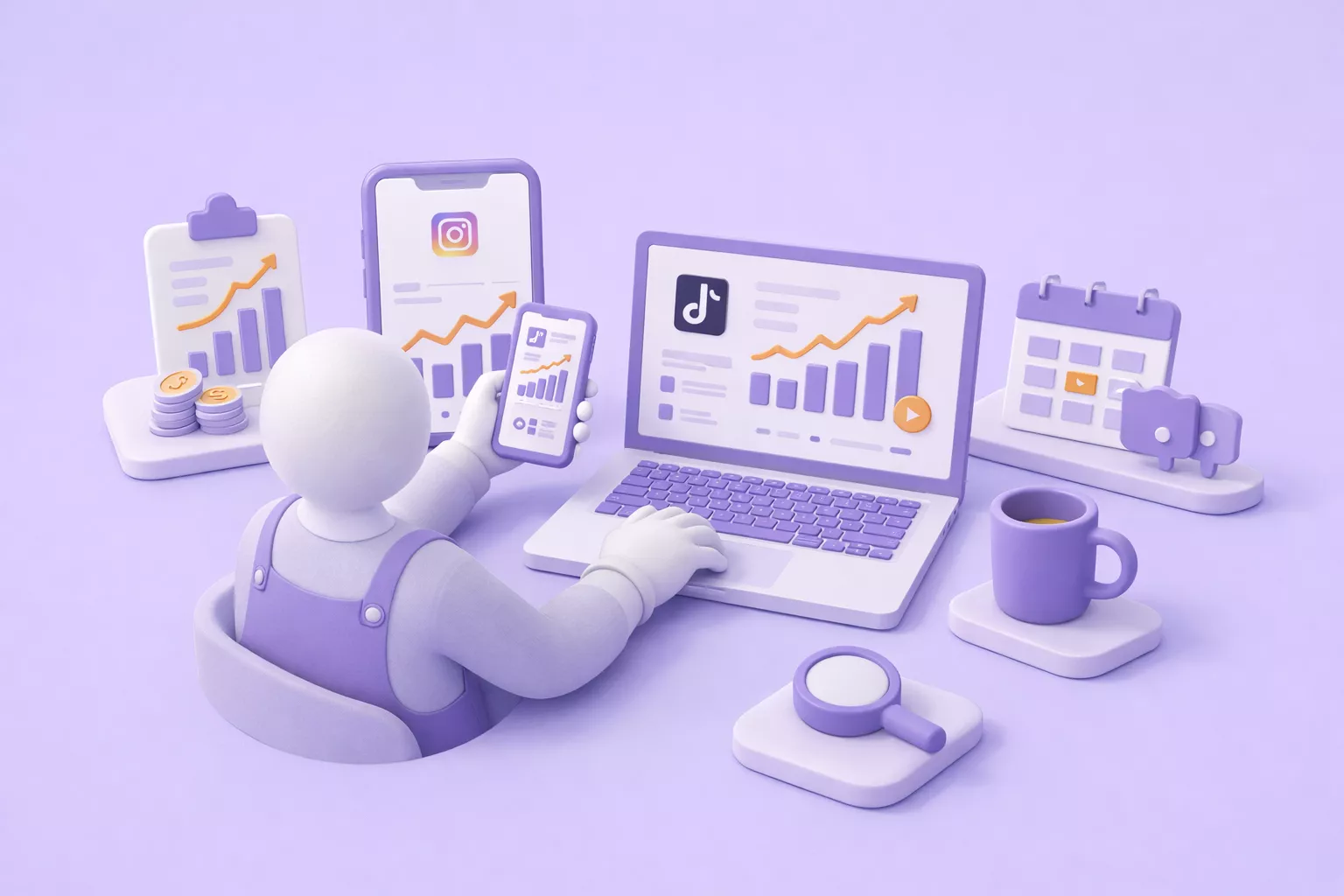
Most owners we chat to around Manchester aren’t short on ideas, they’re short on time. The real headache with Instagram vs TikTok is picking the platform that actually turns effort into bookings, not just views. If you’re 30+ and running a proper day-to-day business, this Instagram or TikTok decision needs to be one you can make in 10 minutes, then prove in 30 days.
Why this choice matters
If your social posts don’t connect to money in the till, they become a guilt project. That’s when people post twice, see nothing, then vanish for three months.
UK adults are still heavy social users, but behaviour splits by age and platform. According to the ONS internet access and use release, social networking remains a mainstream activity for UK adults, with clear differences by age group in what people do online. Ofcom’s latest Online Nation reporting also shows short-form video is now a daily habit for millions, but older users skew towards “keeping up with people and local businesses” rather than chasing trends.
What really stands out in practice is this: most small businesses don’t fail on creativity, they fail on matching content to the customer decision process. If you only do “discovery” content but you need trust, you’ll feel like social is broken. That’s why the platform choice matters more than the latest trend.
Instagram vs TikTok: one-line decision
If you want the quickest answer, use this Instagram vs TikTok rule of thumb.
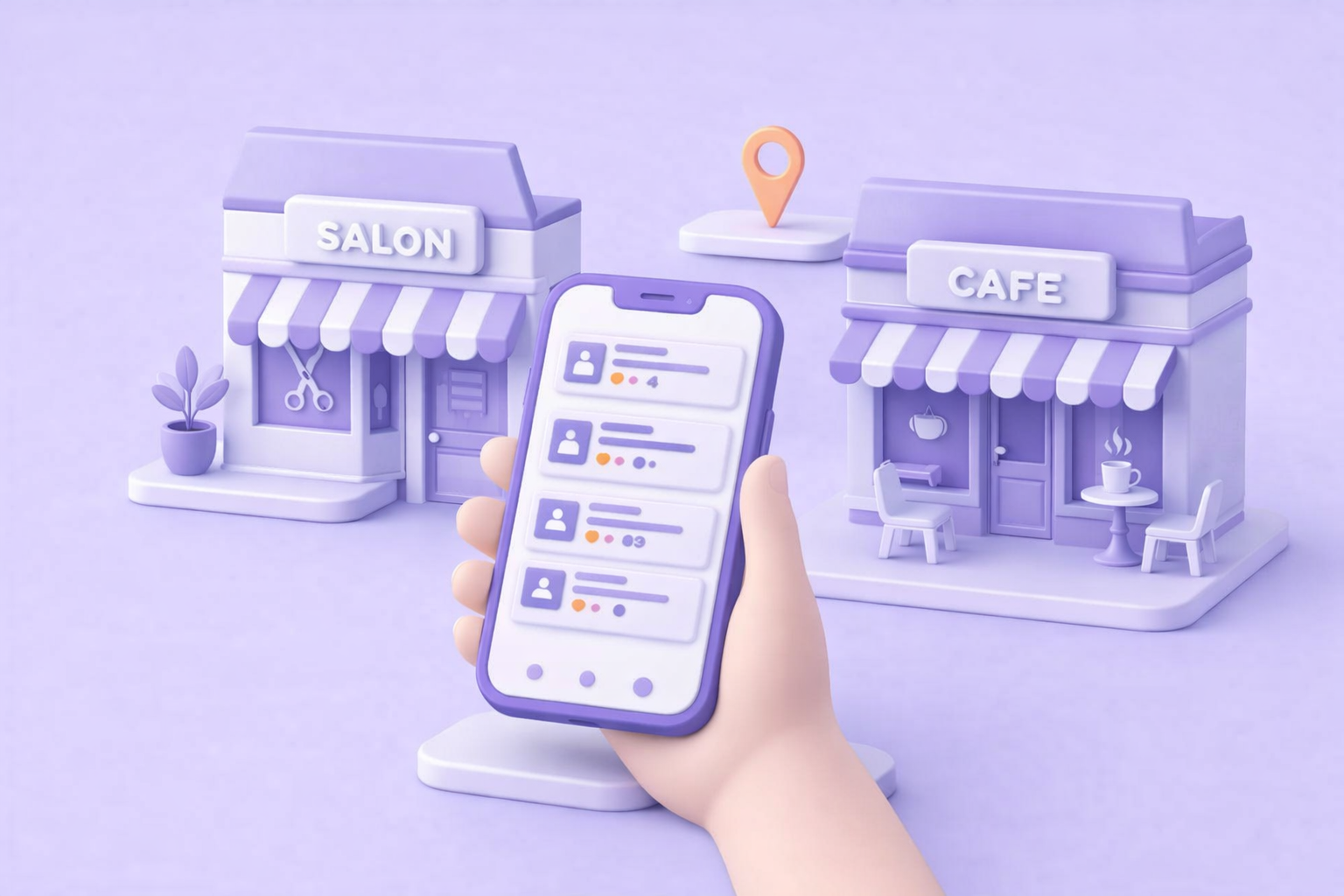
If you need trust and bookings from people already near you, Instagram usually wins. Think salons in Chorlton, dentists in Sale, builders in Stockport, gyms in Altrincham. People want proof, prices, and a way to message you without feeling awkward.
If you need fast discovery beyond your existing following, TikTok tends to win. It’s brilliant for getting in front of people who didn’t know you existed, especially if you can show a clear result in the first 2 seconds.
Here’s our quick self-check for choosing between Instagram and TikTok (be honest):
- Time: can you commit 3 posts a week for 30 days?
- Camera confidence: can you speak for 10 seconds, or do you need voiceover?
- Offer type: is it impulse-friendly (food, beauty, retail) or high trust (clinic, trades)?
- Local radius: do you only serve within 3 to 8 miles, or wider?
If you’re low on time and high on trust needs, start with Instagram. If you’re hungry for reach and can show results quickly, start with TikTok. That’s the practical split most local service businesses see when comparing the two platforms.
How UK customers 30+ use both
People over 30 don’t use these apps like teenagers, and that’s the bit many businesses miss when weighing up Instagram vs TikTok.
Instagram tends to sit in the “I’m checking you’re legit” stage. They’ll tap your profile, scan Highlights, look for faces, read comments, and DM you with a specific question. We see this constantly with Manchester service businesses, especially where someone’s choosing a person, not a product.
TikTok is more “solve my problem” behaviour. People search things like “best fade barber Manchester”, “how much does lip filler hurt”, or “what does a boiler service include”. Ofcom’s Online Nation reports that UK users increasingly use social video for search-like behaviour, and TikTok has leaned hard into that.
Local intent is often the tie-breaker in the Instagram and TikTok decision. If you rely on “near me” traffic, your Google presence matters as much as any social platform, so sort your basics as well.
Formats that actually drive results
A lot of content fails because it’s made for other business owners, not customers. The fastest wins in Instagram vs TikTok usually come from making content that answers real buying questions.
For service businesses (salon, clinic, trades), prioritise:
- Proof: before and after (carefully, see compliance below), reviews on screen, real outcomes.
- Process: what happens in the appointment, what you check, how long it takes.
- Pricing clarity: “from £X” and what changes the price, people love certainty.
For hospitality and retail, prioritise:
- Menu or stock: what’s available today, not your entire range.
- Peak-time hooks: “what £12 gets you at lunch”, “Friday night best-sellers”.
- Offers without looking spammy: show the product first, deal second.
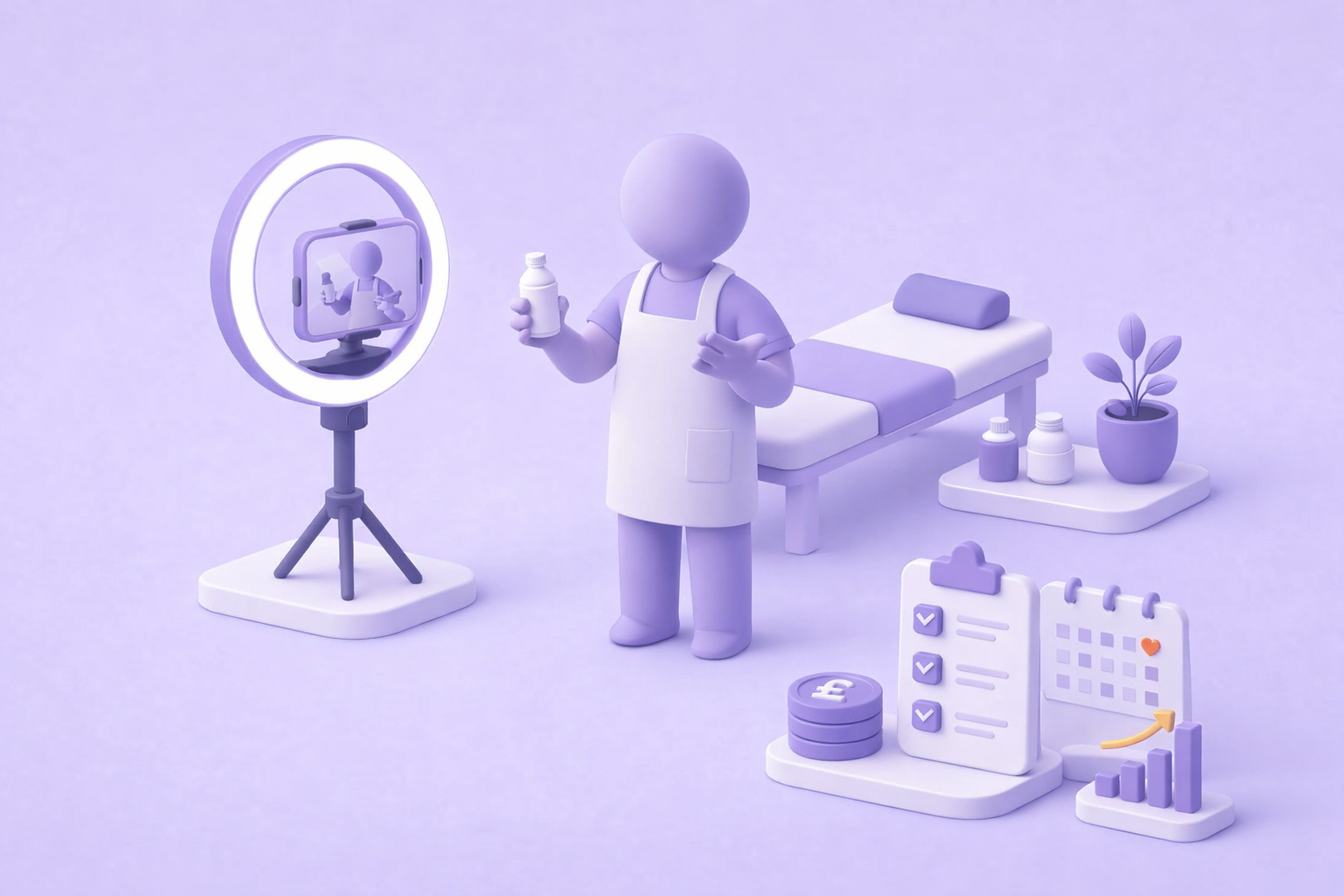
This is one of those things that genuinely makes a difference when comparing Instagram and TikTok for business: film once, edit twice. Shoot a 20 minute batch on your phone, then make:
- A 30 to 45 second TikTok with fast cuts and a strong first line.
- A Reel with cleaner captions and a calmer pace.
- Three Stories from the same clips with a poll or question sticker.
Getting found: Instagram vs TikTok
Most people assume Instagram is only for followers and TikTok is only for viral hits. Reality is messier, but the distribution logic in Instagram vs TikTok is still different.
Instagram is more follower-led, plus whatever Reels pushes to non-followers. TikTok is more interest-led from day one, which is why brand new accounts can still get traction.
Search inside the apps matters more than hashtags now. Do these basics:
- Say the service and area out loud at least once (voice and captions help).
- Put the keyword in on-screen text early, like “Hair extensions in Didsbury”.
- Use 3 to 6 hashtags max, including one location tag.
- Make your bio specific: service, area, and how to book.
Community signals are your secret weapon. Saves and DMs beat vanity likes for most local businesses. The easiest natural ask we’ve seen is: “Want the price list? Send us ‘PRICE’ and we’ll message it over.” Then you can follow up properly, as long as you do it in a GDPR-safe way.
If you want to tighten your local visibility beyond Instagram vs TikTok, start with your foundations. See our local SEO services in Manchester page for what to prioritise first.
Paid ads: costs and when to boost
If you need leads this month, organic alone is a gamble. Paid gives you control, but only if your tracking is tight. This is where Instagram vs TikTok becomes less about opinions and more about cost per enquiry.
Meta is still the local workhorse. Instagram ads let you target by radius, retarget website visitors, and run click-to-call or click-to-WhatsApp. If your diary depends on bookings, that direct response setup is hard to beat.
TikTok ads shine for top-of-funnel attention. Spark Ads (boosting an existing post) often feel more natural than traditional ads, especially if the video looks like a customer filmed it.
Budget reality check for UK SMEs:
- Minimum viable test: £10 to £20 per day for 10 to 14 days per platform.
- What “success” looks like: cost per enquiry you can afford, not cost per view.
If you don’t know what an enquiry is worth, work it out before you spend. If your average job is £250 and you close 1 in 4 leads, you can pay up to about £62 per lead and still be fine.
If you want a sensible structure for spend across channels, there’s more detail in our UK marketing budget breakdown.
Risks and compliance UK businesses miss
This is the part that gets people into trouble, especially clinics, aesthetics, and anyone using testimonials. The compliance risk in Instagram vs TikTok is not the platform, it’s the claims and the paperwork.
ASA and CAP rules apply to social posts, even if you’re “just posting”. According to the ASA’s guidance on influencer and ad disclosure, ads must be obviously identifiable, and creators need clear labels like #ad where there’s payment or control. CAP Code also bans misleading claims, so don’t promise results you can’t prove.
GDPR catches people out with filming. If you record customers or use UGC, get clear consent. A simple signed form is best, but even a DM agreement should be stored somewhere sensible. Also think about what happens to leads from DMs and forms, because that data is personal data.
Age-restricted or regulated services need extra care. If you’re in aesthetics, health, or anything with medical-style claims, be cautious with “before and after”, pain claims, and guarantees. We’ve seen ads rejected for the smallest wording choices.
This matters in Instagram vs TikTok because both platforms reward fast, punchy claims, but regulators still expect evidence and clarity.
A 30-day test plan
If you only take one thing from this, make it this: run a controlled test and let the numbers decide. A simple Instagram vs TikTok test beats guessing every time.
Week 1 setup (do this once, properly):
- Fix bios, links, pinned posts, Highlights.
- Add a booking link, not “DM to book”, if you can.
- Use UTMs on your link-in-bio so you can see which app drove clicks.
- Add call tracking if calls matter.
Weeks 2 to 3 content sprint:
- Post 3 videos a week on each platform.
- Use 3 content pillars: proof, process, personality.
- Keep scripts simple if you hate camera time: “Problem, fix, result” in 15 seconds.
Week 4 evaluation (ignore vanity metrics):
Track:
- Enquiries (calls, forms, DMs)
- Bookings (actual appointments)
- Revenue (even rough)
- Time spent (so you know the real cost)
Decision matrix:
- If Instagram brings more booked enquiries, keep it as your trust engine.
- If TikTok brings cheaper discovery, keep it as your reach engine.
- If both work, use TikTok for top-of-funnel and Instagram for follow-up and conversion.
This is where the Instagram vs TikTok debate becomes simple: you stop guessing and start choosing based on booked work.
Frequently asked questions
Is TikTok worth it for a UK small business with an older customer base?
Usually, yes, if you can show a clear result fast. Older customers might not post, but many still watch. Treat it like a discovery channel, then move people to your website, WhatsApp, or Instagram to convert.
Should I post the same videos on Instagram Reels and TikTok?
Yes, but don’t be lazy about it. Remove watermarks, tweak the first line, and adjust pacing. What works on TikTok is often faster and more direct, while Instagram Reels for business tends to reward cleaner visuals and trust signals.
Which platform is better for local businesses in Manchester: Instagram or TikTok?
If you need repeat bookings and locals checking you out before they commit, Instagram usually edges it. If you’re newer, in a competitive area, or want volume discovery, TikTok can get you in front of people quicker. Most Manchester SMEs end up using both, but with different jobs.
How much should a UK small business spend on Instagram or TikTok ads to test results?
Aim for £150 to £300 per platform over 10 to 14 days, so the algorithm has enough data. Judge it on cost per enquiry and bookings, not reach. If you can’t track enquiries, don’t run ads yet.
What are the UK rules for using customer photos/videos on Instagram or TikTok?
Get clear consent and keep a record. If you’re paying or gifting for content, label it properly to meet ASA expectations. For anything health-related, avoid claims you can’t substantiate and be cautious with before and after posts.
Choose based on bookings, not hype
If you’re stuck, pick one platform for 30 days and run it like a proper test. Use TikTok marketing for small business to earn discovery, then use Instagram to build trust, answer questions, and get the booking.
If you want a second opinion, we’ll happily look at your current setup and tell you which side of Instagram vs TikTok you should prioritise for your business in Manchester and beyond. Drop us a message and we’ll map out a simple 30-day plan you can actually stick to, based on what Instagram and TikTok deliver in real enquiries and bookings.

