Most small businesses we speak to in Manchester ask the same thing: is email marketing still worth your time in 2026, or has it had its day? The honest answer is yes, but only in specific situations, and only if you stop judging your campaigns by open rates.
Below is a practical decision framework we use with UK SMEs. You’ll see what’s changed since 2023, what’s working now, and how to measure results in a way that holds up even as privacy features get stricter.
1) Is email marketing still worth it?
Paid media has got more expensive, and inboxes have got noisier. That combination is pushing more SMEs back towards channels they actually own, and email marketing is often the most practical option. According to the Office for National Statistics, UK e-commerce sales were £1.2 trillion in 2024, with online sales accounting for 36.1% of total sales across UK businesses, which keeps competition for digital attention high even for local firms (ONS e-commerce and ICT activity).
Where this channel still wins is predictable reach to people who already know you. A salon in Chorlton doesn’t need 50,000 followers, it needs 80 regulars to rebook every 6 to 8 weeks.
Quick gut-check by business type:
- Salon/clinic: usually worth it if you have repeat visits and cancellations.
- Restaurant: worth it if you run events, seasonal menus, or quiet-night offers.
- Trades/local services: worth it if you do reminders, maintenance, or reviews, less worth it if you only do one-off emergencies.
2) Email marketing in 2026: what works
If you’re still sending a “monthly newsletter” to everyone, you’ll feel like email marketing is not working. What we see outperform is lifecycle messaging: the right message at the right moment, not more messages.
The minimum set that tends to pay back in lifecycle email:
- Welcome series (2 to 3 emails): set expectations, best services, how to book.
- Post-visit follow-up (1 email): care tips, review request, next step.
- Reactivation (1 to 2 emails): “Still want to keep your spot?” with a clear offer.
Open rates are also less reliable now because Apple’s Mail Privacy Protection and similar features can inflate opens. That’s why we treat opens as a directional signal only, and we tie campaign performance to clicks, bookings, and revenue per recipient instead.
3) A simple email marketing cost–benefit model
Most owners underestimate the real cost of email marketing. The tool is rarely the expensive bit, your time is.
Typical UK SME costs:
- Email platform: £10 to £60 per month for 500 to 2,500 contacts on mainstream platforms.
- Creative and setup: 2 to 4 hours per month once templates and automations exist.
- Data hygiene: 30 to 60 minutes monthly to remove bounces and tag customers.
The return usually comes from four levers: repeat visits, upsells, referrals, and fewer no-shows. If you’re a clinic doing £75 appointments and you reduce no-shows by even 2 bookings a month, you’ve often covered the tool cost.
Break-even examples we use:
- 200 subscribers: works if your average order is high or you have strong repeat cycles.
- 2,000 subscribers: works even with small margins if your segmentation is decent.
If you don’t have a way to capture bookings properly, fix that first. For some businesses, adding booking links directly in search results makes a bigger difference than another newsletter send. We covered the setup in letting customers book from Google.
4) Build a compliant email marketing list
Most people get this wrong in a boring way: they collect emails without collecting proof. Then one complaint lands, and they panic.
In the UK, you need to follow GDPR and PECR for email marketing. The ICO is clear that consent must be specific, informed, and you must be able to show it if asked (ICO direct marketing guidance).
The “soft opt-in” is useful, but limited. You can usually email existing customers about similar products or services if you gave them a clear opt-out at collection and in every email. It doesn’t cover buying a random list, and it doesn’t cover emailing prospects who only downloaded a freebie unless you captured marketing consent properly.
Consent-first list growth that still converts for permission-based email:
- Add a tick box at booking and checkout (not pre-ticked)
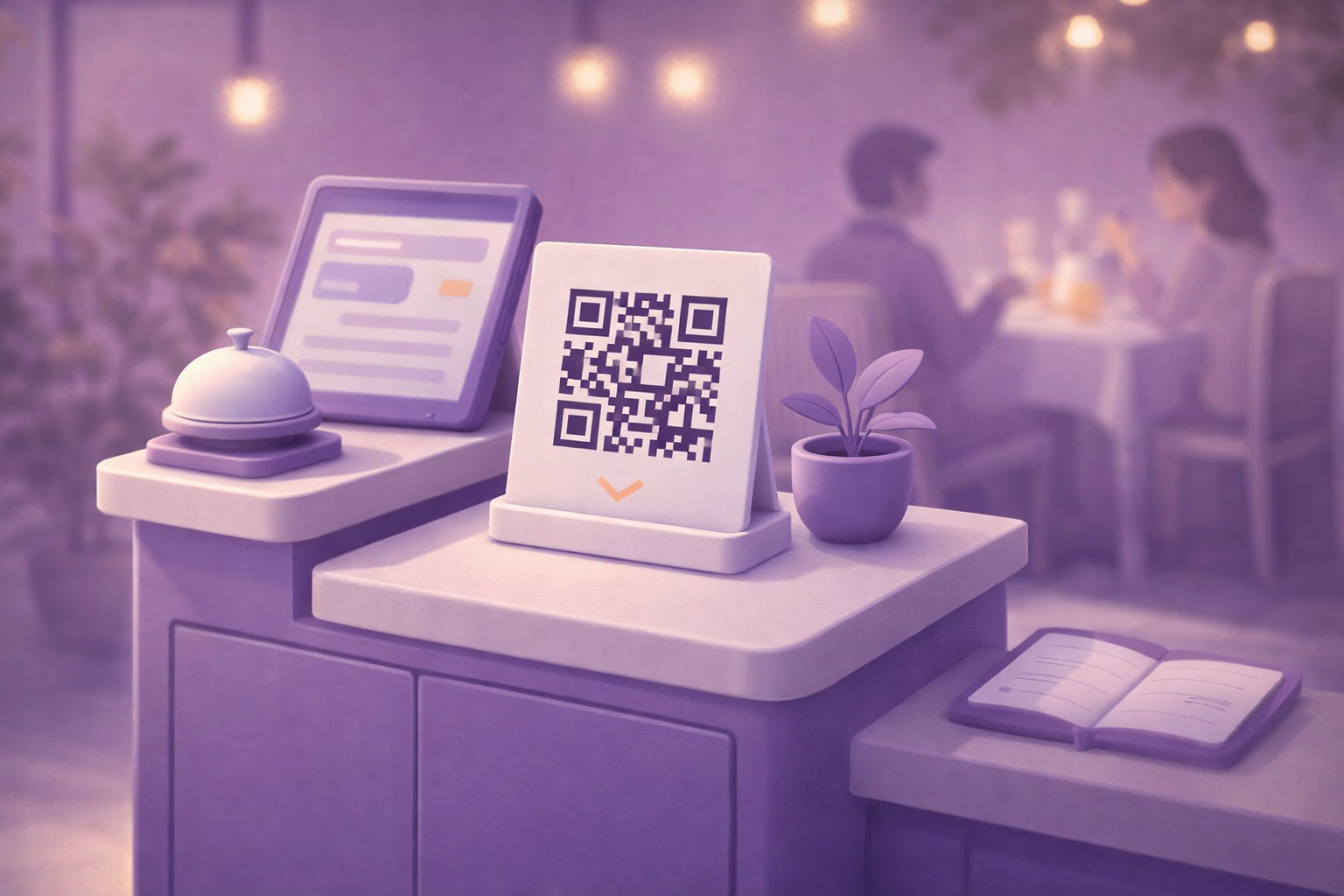
- QR code at reception linking to a simple signup page
- Wi‑Fi signup that asks for marketing permission
- A receipt prompt: “Want care tips and offers by email?”
- A lead magnet that’s actually useful (price list, seasonal checklist, aftercare guide)
5) Five email marketing campaigns that fit Manchester SMEs
You don’t need 20 automations. You need 5 email marketing campaigns that match how people buy locally.
Recall reminders (MOT-style): “It’s been 8 weeks since your colour, want the same slot?” This is gold for salons, dentists, physios, boiler servicing.
Quiet-night fills: Restaurants in the Northern Quarter often do better targeting locals for Tuesday and Wednesday than shouting about Saturday. Send a short offer to people who’ve visited in the last 90 days.
Post-visit trust builder: Ask for a review, show before and after, explain your guarantee, introduce the team member they’ll see next time. This is where local relevance beats fancy personalisation.
No-show reducer: A simple sequence that confirms, reminds, and makes rescheduling easy. Pair this with SMS or WhatsApp if you can.
Referral nudge: Give customers a reason to forward. A £10 credit or a free add-on can outperform a discount if your margins are tight.
If you’re also fixing your wider funnel alongside your email campaigns, it’s worth checking our practical conversion notes in turning website visitors into customers.
6) Email marketing deliverability and reputation
If your email marketing messages land in spam, nothing else matters. The good news is most deliverability issues come from a short checklist, not “mystery algorithms”.
Start with authentication:
- SPF: tells inboxes which servers can send for your domain
- DKIM: adds a signature that proves the email wasn’t altered
- DMARC: tells inboxes what to do if SPF or DKIM fails
Then keep your list clean. We usually prune people who haven’t clicked or booked in 6 to 12 months, or we run a re-permission campaign once a year. It feels scary to delete contacts, but it often improves inbox placement and lifts click rates.
Content pitfalls we still see in 2026:
- Image-only emails (spam filters hate them)
- Misleading subject lines (bad for trust and complaints)
- Too many links, too little context
7) Measure email marketing success without opens
If you can’t tie email marketing activity to revenue, you’ll stop sending after a month. This is where most small firms fall over, because they rely on open rates and vibes.
Core KPIs we recommend:
- Clicks to key pages (booking, menu, quote form)
- Conversions (bookings, enquiries, purchases)
- Revenue per recipient (or per click)
- Reply rate (especially for service businesses)
- No-show rate and rebooking rate (for appointment businesses)
Tracking setup that stands up in 2026:
- Use UTMs on every link and check results in GA4 (this is the simplest form of GA4 UTM tracking)
- Add a unique voucher code per campaign for restaurants and retail
- Use call tracking on “call now” links if you sell by phone
- Log campaign source in your CRM notes
If you want a tidy way to do this without overcomplicating it, we laid out a simple system in lead tracking for UK SMEs.
90-day optimisation plan (keep it boring): test one variable at a time. Week 1 to 4 test offer, week 5 to 8 test segment, week 9 to 12 test send time. You’ll learn faster, and you’ll know what actually moved bookings.
Now pick what fits your reality. If you have repeat customers and a clear next step, keep email marketing and build the automations. If you only sell one-off jobs and you hate writing, put your effort into Google visibility and follow-ups first, then come back to customer lifecycle emails once you have momentum.
Frequently asked questions
What is a good email marketing frequency for a small business in the UK?
For most local SMEs, 2 to 4 sends per month is enough if you also run automations. Appointment businesses often do better with fewer broadcasts and more reminders and post-visit follow-ups.
Do I need double opt-in for GDPR-compliant email marketing?
No, UK GDPR doesn’t require double opt-in, but you do need valid consent and proof. Double opt-in can reduce fake signups, which can help list quality and deliverability, so we often use it for lead magnets.
What’s the best email marketing platform for a UK small business in 2026?
Pick based on what you’ll actually use: automation builder, segmentation, and reporting. Most SMEs do fine with Mailchimp, Klaviyo (e-commerce), or Brevo. If you already run a CRM, check whether it can send campaigns without extra fees.
How can I track email results if open rates are inaccurate?
Treat opens as a rough indicator only. Use UTMs to track clicks and conversions in GA4, use booking confirmations as your true goal, and add voucher codes or CRM source fields to close the loop.
Is email marketing better than social media for local businesses?
They do different jobs. Social helps discovery, but reach can swing week to week. Email marketing tends to outperform for repeat bookings because you control the audience. Ofcom’s recent reporting shows UK adults still use email widely alongside messaging apps, which supports keeping it in your channel mix (Ofcom research and data).
If you’re unsure whether email marketing is the right next step, we’ll be straight with you. Drop us a message and we’ll review your list, consent setup, and tracking, then tell you what we’d fix first to get measurable bookings in the next 90 days.

